Understanding the Test of Attractiveness
Attractiveness is a complex and multi-faceted concept that has intrigued humanity for centuries. Whether driven by personal interests, social interactions, or professional pursuits, understanding what makes someone attractive can lead to significant insights into self-perception and societal standards. The test of attractiveness is a modern tool that leverages technology to provide individuals with a benchmark for their attractiveness based on various parameters. This article dives deep into the components that define attractiveness and how individuals can benefit from taking these tests.
What Constitutes Attractiveness?
Attractiveness is often perceived as a measure of beauty or appeal, but it encompasses much more than physical features. Psychological and societal factors play crucial roles. Attributes such as kindness, humor, and intelligence can significantly enhance a person's attractiveness. Cultural influences also shape perceptions of beauty, leading to diverse standards across different societies.
Research indicates that attractiveness is subjective; what one individual finds appealing may differ vastly from another's perspective. However, certain biological and psychological factors, such as the symmetry of facial features and perceived health, frequently emerge as universal indicators of physical attractiveness.
The Role of Facial Symmetry
One of the most commonly cited elements in attractiveness studies is facial symmetry. Faces that are more symmetrical are often rated as more attractive. This phenomenon is believed to stem from evolutionary psychology, where symmetry is associated with good health and genetic fitness. A study published in the journal "Nature" found that humans tend to prefer symmetrical faces, indicating a biological inclination towards balanced forms as signs of attractiveness.
Moreover, facial symmetry is not the only factor at play. Other dimensions, such as the proportions of facial features (often analyzed through the golden ratio) and emotional expressions, contribute to perceived attractiveness. These factors interact to create a holistic picture of an individual's appeal.
How AI Models Measure Attractiveness
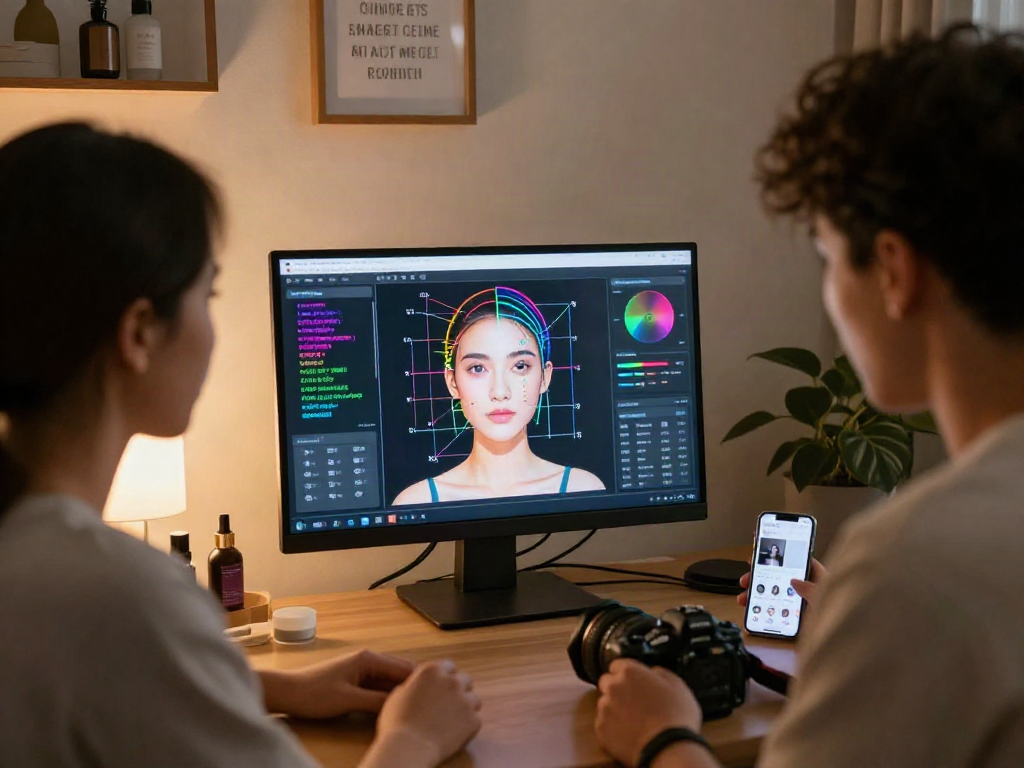
In today’s digital age, artificial intelligence models have been designed to evaluate attractiveness quantitatively. These AI systems analyze numerous facial landmarks, assessing attributes like symmetry, contour, and ratios to deliver an attractiveness score. For example, platforms that offer a test of attractiveness utilize advanced algorithms to dissect an individual's facial structure and generate a numerical score indicative of their appeal, often ranging from 1 to 10.
Such models do not merely provide a score; they also offer insights into strengths and areas of improvement. By utilizing these evaluations, individuals can understand how they conform to prevailing standards of beauty and identify potential enhancements.
Top Tools for Measuring Attractiveness
As the demand for attractiveness tests grows, several tools have emerged, each offering unique features and capabilities. To make an informed decision, it's vital to consider what each tool provides in terms of functionality, accuracy, and user experience.
Comprehensive Review of Leading Apps
There are numerous apps available for testing attractiveness, ranging from simple photo uploads to sophisticated AI-driven assessments. Popular platforms such as Rate My Face and The Face Report offer users the chance to evaluate their attractiveness using different methodologies. These platforms are designed to cater to diverse audiences, whether seeking a casual assessment or a more detailed analysis.
Comparing Free vs. Paid Solutions
When considering attractiveness testing tools, users often find themselves weighing free options against paid solutions. Free apps typically provide basic features, offering a simple score based on facial symmetry or certain aesthetic parameters. In contrast, paid solutions usually furnish more detailed analysis and additional features, such as personalized recommendations and deeper insights into one's attractiveness score. Investing in a paid tool can thus offer a more enriching experience, albeit at a financial cost.
User Experience and Interface Design
The user experience (UX) and interface design of attractiveness measuring tools are critical factors in their effectiveness. Platforms with intuitive layouts and straightforward navigation enhance user engagement and satisfaction. A seamless experience encourages users to return and re-evaluate their attractiveness over time. Additionally, tools that incorporate engaging visual feedback, such as charts or heat maps illustrating facial features, can make the evaluation process more enjoyable.
Benefits of Taking an Attractiveness Test
Taking an attractiveness test can yield numerous benefits beyond mere self-assessment. From boosting confidence to providing actionable insights, these tests can significantly influence personal development.
Boosting Confidence and Self-Awareness
Receiving an attractiveness score can be eye-opening and inspirational. Many individuals find that a validated assessment boosts their self-confidence. Understanding where one stands in relation to beauty standards allows for a deeper appreciation of one's unique features. Many users report a newfound confidence after receiving positive feedback from an attractiveness test, motivating them to embrace their individuality.
Understanding Beauty Standards
Beauty standards can be elusive and often vary across cultures and times. By taking an attractiveness test, individuals can gain insights into how they measure against contemporary standards. This understanding can shape personal grooming, fashion choices, and overall self-presentation, allowing individuals to curate their image more effectively.
Practical Tips for Improvement
Attractiveness tests often provide not only scores but also suggestions for enhancement. Armed with this feedback, individuals can take practical steps to improve their attractiveness, such as adjusting their hairstyles, makeup techniques, or skincare routines. Incorporating this knowledge into daily practices can lead to noticeable changes in self-perception and how others perceive them.
Common Misconceptions About Attractiveness
Attractiveness is often clouded by myths and societal pressures. Understanding these misconceptions is crucial for a realistic perception of beauty.
Debunking Myths Surrounding Beauty
One pervasive myth suggests that attractiveness is solely based on looks. However, research indicates that personality traits, confidence, and even kindness significantly influence perceived attractiveness. In this light, individuals should focus not just on physical appearance but also on developing interpersonal skills and emotional intelligence.
The Impact of Social Media on Perception
Social media platforms have exacerbated the pressure to conform to specific beauty standards. Filters and photo editing can create unrealistic images, leading to distorted perceptions of what is attractive. Users should approach online representations of beauty with a critical eye, recognizing the impact of these curated images on self-esteem and body image.
Understanding Cultural Differences in Attractiveness
Attractiveness is also shaped by cultural background and societal norms. What is considered beautiful in one culture may not hold the same value in another. Acknowledging these differences can foster greater appreciation for diversity and individuality in beauty.
The Future of Attractiveness Testing
As technology continues to evolve, the landscape of attractiveness testing is poised for innovation. Advancements in AI and machine learning will likely lead to more refined assessments and personalized experiences.
Emerging Trends in AI and Beauty
Future attractiveness tests may utilize augmented reality and virtual environments, allowing users to visualize potential changes to their appearances. This interactivity could transform how individuals approach beauty, making it a more engaging and explorative experience.
Potential Ethical Considerations
While the rise of AI in beauty testing offers many advantages, it also raises ethical questions regarding privacy and self-worth. The potential for misuse of personal data and the pressure to conform to idealized beauty standards must be carefully considered. Developers and users alike must prioritize ethical standards in the implementation of these technologies.
Predictions for 2026 and Beyond
Looking ahead, the attractiveness testing landscape will likely be marked by personalized experiences, where users engage with tools tailored to their unique features and preferences. This evolution will empower individuals to celebrate their beauty while fostering a more inclusive understanding of attractiveness across diverse populations.
What are the main factors influencing attractiveness?
The main factors influencing attractiveness include facial symmetry, perceived health, and cultural standards of beauty. Psychological aspects, such as confidence and personality traits, also play significant roles.
How reliable are attractiveness tests?
Attractiveness tests can provide valuable insights, but their reliability may vary. Factors such as the algorithms used and the data sets they are based on can affect accuracy. Users should consider these tests as one of many tools for self-assessment rather than definitive judgments.
Can attractiveness scores change over time?
Yes, attractiveness scores can change due to various factors, including aging, lifestyle changes, and shifts in perception based on societal standards. Regular self-assessment through these tests can provide an evolving understanding of beauty.
Are there risks associated with taking attractiveness tests?
While most attractiveness tests are harmless, there can be psychological risks if individuals place too much importance on the scores. Users should approach the results with a critical mindset and avoid becoming overly self-critical based on numerical evaluations.
How can I improve my attractiveness score?
Improving your attractiveness score often involves a combination of self-care practices, such as maintaining a healthy lifestyle, enhancing grooming habits, and developing confidence. Engaging in activities that boost self-esteem and fostering positive personality traits can also contribute significantly.