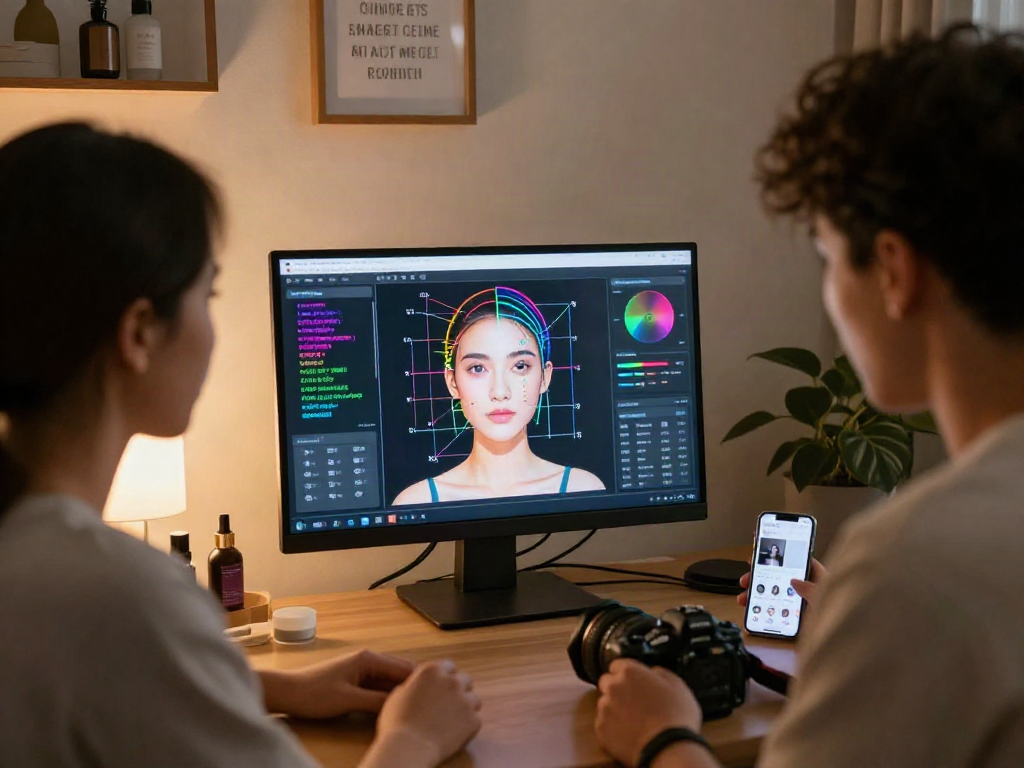
Understanding Facial Age Estimation Technology
With advances in technology, the question of how old do I look has transcended mere curiosity, transforming into a fascinating realm of digital exploration. Facial age estimation technology utilizes sophisticated algorithms and machine learning models to provide insights into perceived age based on facial features. This article delves into the nuances of this revolutionary technology, its applications, and the implications it holds for users in 2026.
What is Facial Recognition Technology?
Facial recognition technology (FRT) is a complex system capable of identifying or verifying a person's identity from a digital image or video frame. It analyzes patterns based on the unique features of a person's face, allowing applications ranging from security to social media enhancements. Over the years, FRT has evolved to include components that can assess age, gender, and even emotional state using artificial intelligence and deep learning techniques.
How AI Estimates Age Based on Facial Features
AI's ability to estimate age hinges on its capacity to analyze vast datasets of facial images. By recognizing markers such as skin texture, wrinkles, and contour changes, these systems can approximate a person's biological age as opposed to their chronological age. The models are trained using millions of labeled images, enabling them to identify subtle indicators of aging and provide personalized results to users.
Common Misconceptions About Age Estimation Apps
Many users harbor misconceptions about age estimation applications, often assuming they deliver unequivocal truths about one's age. However, while these tools leverage advanced algorithms, the results can be influenced by various factors, including lighting, facial expressions, and even makeup. Users should approach these results with a balance of curiosity and skepticism, recognizing that the technology is continually evolving but is not infallible.
Why People Want to Know How Old They Look
The desire to ascertain how old one appears is deeply rooted in societal norms and personal psychology. As people increasingly engage with age estimation tools, understanding the motivations behind this interest is essential for both users and developers.
Social Pressures and Perceptions of Age
In many cultures, youth is often equated with beauty, success, and vitality. The pressure to maintain a youthful appearance can lead individuals to seek tools that provide insights into how their features align with societal standards of age. Digital age estimation tools serve as both a source of validation and a means to address these societal pressures.
Impact on Self-esteem and Confidence
Receiving feedback on perceived age can significantly impact an individual's self-esteem and confidence. People may use these results to tweak their grooming habits, try new skincare products, or even reconsider lifestyle choices. Positive feedback might boost confidence, while negative results may lead to anxiety about aging and self-image.
Using Age Estimation for Personal Grooming Insights
Many users employ age estimation apps not just for curiosity, but as a strategic tool for personal grooming and skincare. By understanding how they are perceived, individuals can tailor their beauty regimens toward achieving a more youthful appearance. This practical application of technology makes such tools invaluable for those invested in maintaining their youthful glow.
How to Use Age Estimation Tools Effectively
To maximize the benefits of age estimation tools, users should adopt certain strategies when utilizing these innovative applications.
Step-by-Step Guide to Uploading Your Photo
- Choose a well-lit setting for your photo to minimize shadows.
- Ensure your face is clear and unobstructed, without sunglasses or heavy makeup.
- Follow the app's guidelines for photo dimensions and quality.
- Upload your photo and wait for the analysis to complete.
Interpreting the Results: What Do They Mean?
Once the results are available, users should focus on more than just the numerical age provided. Consider the accompanying insights about skin health, specific features that may contribute to perceived age, and any recommendations the app may offer. This holistic approach leads to a better understanding of personal aesthetics.
Combining AI Insights with Other Age-Defying Techniques
While AI tools provide valuable insights, combining their findings with dermatologist recommendations, healthy lifestyle choices, and skincare routines can lead to better results. By integrating technology with expert advice, users can create a comprehensive approach to maintaining their youthful appearance.
Comparing Popular Age Estimation Apps
With numerous apps available, users often face challenges in selecting the right one for their needs. A comparative analysis will help clarify which options stand out in 2026.
Overview of Leading Apps in 2026
Currently, several applications lead the market, including:
- FaceAge.ai: Uses advanced AI to provide facial age estimations with high accuracy.
- Fotor: A user-friendly platform offering fast results with no signup needed.
- BeautyPlus: Integrates aesthetic analysis with social media sharing features.
Features to Look For in Age Estimation Tools
When choosing an age estimation app, consider the following features:
- Privacy policies ensuring data protection.
- User-friendly interface for easy navigation.
- Additional analysis like skin health indicators.
- Compatibility with various devices.
User Reviews and Success Stories
Personal testimonials and reviews can provide insights into the efficacy of these apps. Many users report transformative experiences, combining the app's results with changes in their grooming routines, leading to enhanced self-confidence and satisfaction with personal appearance.
Future Trends in Age Estimation Technology
The future of age estimation technology promises even more sophisticated developments, driven by advancements in AI and user expectations.
Advancements in AI and Machine Learning
As machine learning techniques continue to evolve, we can expect more accurate estimations, including factors like ethnicity, lifestyle, and even genetics, contributing to a more nuanced understanding of aging.
The Role of Privacy in Age Estimation Apps
As these technologies become increasingly integrated into daily life, privacy concerns will also grow. Users should be aware of how their data is used and shared, prompting developers to prioritize transparent policies protecting user data.
Emerging Features and User Expectations for 2026
In 2026, users will likely demand more personalized experiences, integrating age estimation tools with augmented reality features for real-time feedback. This could include virtual makeup suggestions or tailored skincare routines based on specific features detected by the app.
What factors influence how old do I look?
Several factors influence perceived age, including genetics, lifestyle choices, and environmental factors. Adequate hydration, balanced nutrition, sun protection, and regular exercise can slow the visible signs of aging, showcasing the importance of a holistic approach toward aging.
Are age estimation tools accurate?
While advancements in AI have led to significant improvements in accuracy, age estimation tools may still encounter variances due to personal features and external factors. Users should use these tools as one of many resources for insight rather than definitive answers.
Can I use these tools for age-related skincare recommendations?
Yes, age estimation tools can guide skincare choices by highlighting specific features that may benefit from targeted treatments. By understanding how users are perceived in terms of age, they can tailor their skincare regimens more effectively.
How do I choose the best app for my needs?
Choosing the right app involves considering user reviews, features that align with personal goals, and privacy practices. Take time to explore various options, and perhaps even try a few to determine which resonates best with your needs.
What can I do to look younger based on app feedback?
Users can implement the app's feedback into their daily routines, including adopting specific skincare products, dietary changes, and lifestyle adjustments. By following the recommendations and being consistent, many individuals can experience improvements in their perceived age over time.