Understanding Reclaimed Water Systems
In an era where water scarcity is becoming a pressing global challenge, reclaimed water systems have emerged as a crucial component of sustainable water management strategies. These systems facilitate the treatment and reuse of wastewater, allowing municipalities and industries to conserve precious water resources while simultaneously reducing environmental impacts. By innovating the processes involved in reclaiming water, communities can transform water management practices and meet both regulatory standards and sustainability goals.
What are Reclaimed Water Systems?
Reclaimed water systems are designed to treat and repurpose wastewater for various uses, including irrigation, industrial processes, and even potable applications. These systems utilize advanced treatment technologies to remove contaminants, making the water safe for reuse. The processes involved can vary, but commonly include physical, chemical, and biological treatments, which are optimized based on the intended end-use of the reclaimed water. In essence, these systems serve to bridge the gap between wasted resources and valuable reuse options.
The Importance of Sustainability in Water Management
The significance of sustainability in water management cannot be overstated. As populations grow and climate change exacerbates water scarcity, traditional water resources face unprecedented stress. Reclaimed water systems play a vital role in addressing these challenges by promoting a circular economy in water use. By recycling and reusing water, these systems help reduce the dependence on freshwater sources, mitigate pollution, and enhance resilience against the impacts of climate change. Moreover, they support urban planning initiatives towards greener, more sustainable cities.
Key Technologies in Reclaimed Water Systems
Modern reclaimed water systems incorporate various advanced technologies to ensure the highest quality of treated water. Some of the key technologies include:
- Membrane Bioreactors (MBR): Combining biological treatment with membrane filtration, MBRs effectively remove solids and pathogens, resulting in high-quality effluent.
- Ultrafiltration (UF): This membrane technology provides a critical barrier for microorganisms, delivering clear water suitable for various reuse applications.
- Reverse Osmosis (RO): RO systems utilize semipermeable membranes to remove dissolved solids and contaminants, producing water that is safe for even the most sensitive applications.
Advantages of Containerized Reclaimed Water Systems
Efficiency in Wastewater Recycling
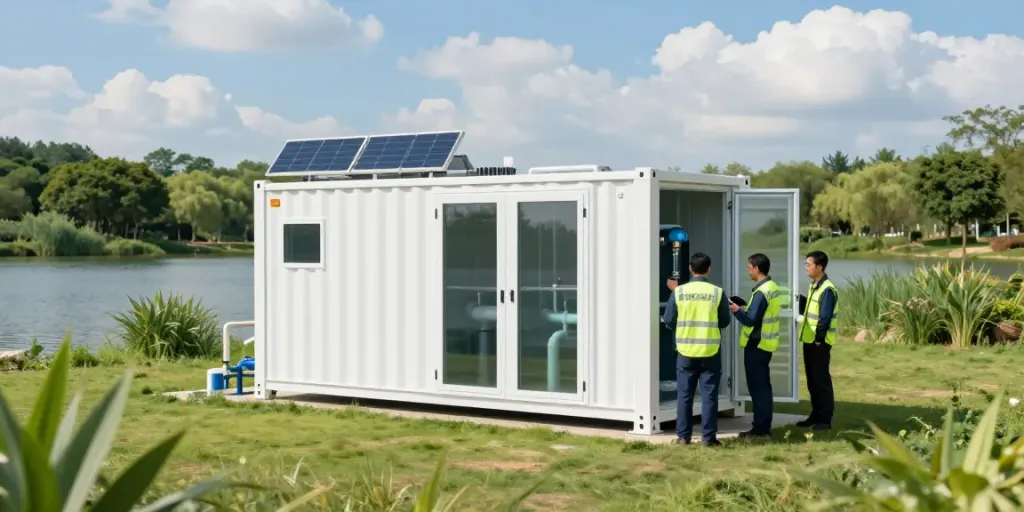
Containerized reclaimed water systems provide an efficient solution for wastewater recycling, particularly in areas with limited infrastructure. These pre-engineered units are designed to operate autonomously, minimizing the need for extensive site preparation or ongoing labor. Their compact design allows for the treatment of wastewater in situ, which significantly reduces transportation costs and time delays associated with traditional systems.
Rapid Deployment and Flexibility
One of the standout features of containerized systems is their rapid deployment capability. These modular units can be easily transported and set up in various locations, making them ideal for emergency responses, remote industrial sites, or temporary installations. This flexibility means that organizations can quickly adapt to changing water needs, ensuring that water reuse opportunities are not missed.
Environmental Benefits and Resource Conservation
Beyond operational efficiencies, containerized reclaimed water systems contribute meaningfully to environmental conservation. By treating and reusing wastewater, these systems help to reduce the volume of effluent released into natural bodies of water, thereby decreasing pollution. Additionally, they play an essential role in conserving freshwater resources, supporting biodiversity, and maintaining ecosystem integrity.
Implementation Strategies for Municipal and Industrial Use
Identifying Use Cases for Reclaimed Water
Successful implementation of reclaimed water systems begins with identifying suitable use cases. Municipalities can consider applications such as landscape irrigation, dust control, and toilet flushing, while industries might target processes such as cooling water supply or process water for manufacturing. Understanding the specific requirements and regulations regarding reclaimed water use is critical for establishing effective strategies.
Design and Integration Planning
When planning a reclaimed water system, it’s essential to consider the design and integration within existing infrastructure. This planning should involve stakeholders across multiple sectors, including engineering, environmental services, and public health. By collaborating across these disciplines, organizations can ensure that systems are designed for efficiency, compliance, and community acceptance.
Common Challenges and Solutions
While implementing reclaimed water systems can yield significant benefits, challenges can arise. These may include regulatory hurdles, public perception issues, and technical limitations. By addressing these challenges through effective communication and stakeholder engagement, organizations can develop strategies that mitigate risks and enhance community trust in reclaimed water projects.
Case Studies: Successful Applications of Reclaimed Water Systems
Municipal Success Stories
Various municipalities have successfully implemented reclaimed water systems, showcasing their potential to enhance water sustainability. For instance, the city of Los Angeles has developed an extensive recycled water program that supplies treated wastewater for irrigation, industrial use, and groundwater recharge, significantly reducing reliance on imported water.
Industrial Use Cases and Results
Industries such as agriculture, manufacturing, and energy have adopted reclaimed water systems to improve water sustainability. For example, a major beverage manufacturer has implemented a closed-loop water system that utilizes reclaimed water for cooling processes, leading to a 40% reduction in freshwater use. These case studies exemplify how businesses can capitalize on reclaimed water systems to enhance operational efficiency while contributing to sustainability goals.
Lessons Learned from Implementation
Through various implementations, several key lessons have emerged. These include the importance of thorough planning, stakeholder engagement, and ongoing monitoring to ensure compliance and efficacy. Furthermore, addressing public misconceptions about reclaimed water is crucial for fostering community support and acceptance.
Future Trends in Reclaimed Water Systems for 2026 and Beyond
Emerging Technologies in Water Reclamation
As technology evolves, so do the methods for reclaiming water. Innovations such as advanced membrane technologies, artificial intelligence for operational monitoring, and decentralized treatment options are set to redefine the future of water reuse. These emerging technologies will enable more efficient processes, reduced costs, and enhanced water quality.
Policy Changes Impacting Reclaimed Water Use
Policy frameworks around reclaimed water use are also evolving. As regulatory bodies recognize the importance of water reuse, there is a push for developing more supportive policies, guidelines, and incentives for reclaimed water systems. This shift will help streamline the permitting process and encourage broader adoption across various sectors.
Global Perspectives and Innovations
Internationally, nations facing water scarcity are investing in reclaimed water systems to bolster resilience. Countries like Israel and Singapore serve as leading examples of innovative water management practices, integrating reclaimed water into everyday use across various applications. Learning from these global perspectives will be vital for other regions looking to enhance their water sustainability practices.
What are the Benefits of Using Reclaimed Water?
Utilizing reclaimed water provides numerous benefits, such as reducing environmental stress on freshwater resources, lowering treatment costs for municipalities, and ensuring a reliable water supply during periods of drought. By embracing reclaimed water systems, communities can enhance their water security and contribute to sustainable development.
How Does a Reclaimed Water System Work?
A reclaimed water system typically involves several treatment stages, starting from the collection of wastewater to the final distribution of treated water. This process may include preliminary screening, biological treatment, filtration, and disinfection to remove pathogens, ensuring the reclaimed water meets safety standards for its intended use.
Is Reclaimed Water Safe for Irrigation?
Yes, reclaimed water is safe for irrigation, provided it undergoes appropriate treatment to remove harmful pathogens and contaminants. Many regions have established strict guidelines and safety measures to ensure reclaimed water used for irrigation meets public health standards, thereby promoting safe agricultural practices.
What Are the Common Misconceptions About Reclaimed Water?
Common misconceptions about reclaimed water often center around safety and quality. Many people equate reclaimed water with untreated wastewater, fearing contamination. However, modern treatment processes ensure that reclaimed water is safe and clean, often surpassing the quality of some municipal supplies. Educating the public about these advancements is essential for building trust in reclaimed water systems.
How is Reclaimed Water Treated Before Use?
Before reclaimed water can be utilized, it undergoes rigorous treatment processes tailored to its intended application. These processes often include primary treatment to remove solids, secondary biological treatment to eliminate organic matter, and tertiary processes like filtration and disinfection to ensure safety. This multi-barrier approach guarantees that the reclaimed water is of high quality.
What Industries Can Benefit Most from Reclaimed Water Systems?
Various industries can benefit from reclaimed water systems, including agriculture, landscaping, manufacturing, and energy production. These sectors often require significant water inputs, making the cost-effective and sustainable use of reclaimed water an attractive option for reducing freshwater consumption and operational costs.