The Role of Leading Aerospace CNC Parts Manufacturers
In the fast-evolving world of aerospace engineering, the demand for high-precision components has never been greater. Leading aerospace cnc parts manufacturers are pivotal players in this field, providing essential services tailored to the rigorous standards of the industry. These manufacturers utilize Computer Numerical Control (CNC) machining processes to produce parts that meet stringent specifications required for both prototype and production phases.
Understanding the CNC Machining Process
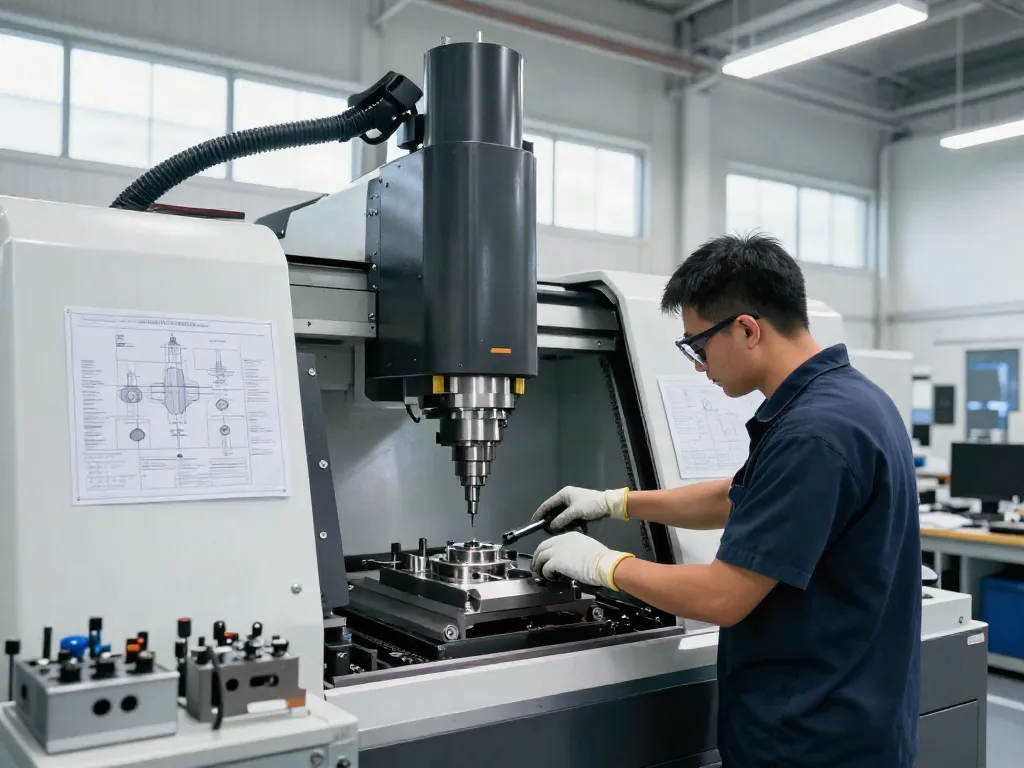
CNC machining revolutionizes traditional manufacturing by automating complex processes. It employs computer-controlled machines that can precisely cut and shape materials into desired forms. This technology enables the production of intricate components that are fundamental in aerospace applications, including engine housings, landing gear, and airframe parts. The CNC process begins with a digital design, which is translated into machine language. The CNC machine then executes the design with remarkable accuracy, repeatedly producing parts within tight tolerances.
Key Benefits of CNC Machining in Aerospace
The aerospace sector benefits immensely from CNC machining. Here are some of the key advantages:
- Precision: CNC machines can achieve tolerances within a few microns, essential for the safety-critical nature of aerospace parts.
- Consistency: Once programmed, CNC machines can reproduce identical parts, ensuring uniform quality in large production runs.
- Flexibility: These machines can work with a wide range of materials, including metals like titanium and aluminum, as well as composites and plastics.
- Efficiency: Automated processes significantly speed up production time, allowing for rapid prototyping and quicker turnaround on production runs.
- Cost-effectiveness: Despite the higher initial investment in CNC machinery, the long-term savings from reduced waste and increased productivity often outweigh these costs.
Technological Advancements in Aerospace CNC Manufacturing
The aerospace industry is at the forefront of adopting new technologies. Recent advancements in CNC machining include the integration of artificial intelligence (AI) and machine learning, which enhance process optimization and predictive maintenance. AI algorithms analyze data from production processes to improve efficiency, reduce errors, and anticipate maintenance needs before breakdowns occur. Additionally, the introduction of additive manufacturing processes, such as 3D printing, complements CNC machining by allowing for complex geometries that traditional methods cannot achieve.
Choosing the Right CNC Manufacturer
When selecting a CNC manufacturer for aerospace components, it is crucial to consider several factors to ensure quality and reliability. The right partner can greatly influence the success of your project.
What to Look for in Aerospace CNC Parts Manufacturers
Begin by evaluating the manufacturer's experience within the aerospace sector. Look for companies that specialize in aerospace machining and have a proven track record of delivering high-quality components. Additionally, verify their production capabilities, including the types of CNC machines available and their operational capacity.
Evaluating Quality Standards and Certifications
Quality assurance is paramount in aerospace manufacturing. Ensure that the manufacturer adheres to relevant industry standards, such as AS9100 and ISO 9001 certifications, which indicate a commitment to quality management systems. These certifications demonstrate that a manufacturer can consistently meet the rigorous demands of aerospace production.
Comparing Pricing Models and Value Offers
While pricing is a critical factor, it should not be the sole determinant in your decision-making process. Compare pricing models and assess the value offered. Some manufacturers may provide additional services, such as design consultation or post-production support, which can enhance the overall value of your partnership.
Common Challenges in Aerospace CNC Machining
The aerospace sector faces unique challenges that require technical expertise and innovative solutions to overcome.
Addressing Material Specifications and Selection
Aerospace components must meet specific material specifications to withstand extreme conditions. Selecting the right materials, such as composites or high-strength alloys, is essential. Manufacturers must have a deep understanding of material properties and how they interact with the machining process to prevent failures.
Overcoming Production Delays and Timelines
Production timelines in aerospace can be stringent. Delays can occur due to various factors including supply chain disruptions, material shortages, or machine breakdowns. Effective project management and contingency planning are crucial to mitigate these risks and ensure timely delivery of components.
Understanding Tolerances and Precision Requirements
With aerospace components, tolerances are often measured in microns, which presents a significant challenge for manufacturers. Achieving such precision requires advanced machining techniques and skilled operators. Manufacturers must invest in the latest technology and ongoing training to maintain their competitive edge.
Innovations in Aerospace CNC Machining
As the aerospace industry evolves, so too do the machining techniques and technologies used in production. Innovation is critical for keeping pace with the industry's demands.
Emerging Technologies Shaping the Industry
Emerging technologies, such as AI and IoT, are beginning to play a significant role in aerospace machining. Smart factories leverage these technologies to optimize production processes, enhance quality control, and facilitate remote machine monitoring. This shift towards digitalization in manufacturing not only improves efficiency but also drives significant cost reductions.
The Future of Automation in CNC Machining
Automation in CNC machining is expected to grow, reducing human intervention and minimizing the risk of errors. Collaborative robots (cobots) work alongside human operators to enhance productivity, streamline workflows, and increase workplace safety. These advancements will shape a new era of aerospace production techniques, offering unprecedented levels of efficiency and precision.
Green Manufacturing Practices in Aerospace
Sustainability is becoming increasingly important in aerospace manufacturing. Companies are investing in green manufacturing practices that reduce waste and energy consumption. Techniques such as precision machining are contributing to fewer resources wasted, ensuring that manufacturers not only meet industry demands but also adhere to environmental regulations.
Future Trends for Aerospace CNC Parts Manufacturers in 2026
Looking ahead, several key trends are poised to shape the aerospace CNC parts manufacturing landscape.
Predicted Market Growth and Opportunities
The global aerospace market is expected to experience significant growth in the coming years. With the expansion of commercial air travel, defense spending, and advancements in space exploration, the demand for aerospace components is likely to remain robust. Manufacturers must be prepared to adapt their capabilities to meet the needs of this evolving market.
Impact of Regulatory Changes on CNC Machining
Regulatory changes can significantly affect the aerospace manufacturing landscape. Staying informed about industry regulations and standards will be essential for manufacturers to maintain compliance and avoid disruptions in production. Proactive adaptation to these changes will be critical for ensuring long-term success.
Long-term Strategies for Competitive Advantage
To sustain a competitive edge, aerospace CNC parts manufacturers should invest in research and development, embrace emerging technologies, and prioritize workforce training. Fostering a culture of innovation within the organization will enable manufacturers to capitalize on new opportunities and respond swiftly to market changes.
What are the benefits of aerospace CNC machining?
The benefits of aerospace CNC machining include enhanced precision, cost-effectiveness, and the ability to work with a wide range of materials. These advantages make CNC machining a preferred method for producing aerospace components.
Who are the leading aerospace CNC parts manufacturers?
Leading aerospace CNC parts manufacturers include companies recognized for their quality, innovation, and reliability. They specialize in high-precision components tailored to meet the unique demands of the aerospace market.
What materials are used in aerospace CNC machining?
Aerospace CNC machining employs various materials, including metals like titanium, aluminum, and steel, along with advanced composites and high-performance plastics. Each material is selected based on its application and performance requirements.
How does CNC machining compare to traditional methods?
CNC machining offers superior precision, efficiency, and consistency compared to traditional machining methods. The automation provided by CNC technology allows for faster production times and reduced labor costs, making it a modern solution for manufacturing needs.
What are the challenges faced by aerospace manufacturers?
Aerospace manufacturers face challenges such as stringent regulatory requirements, high precision and quality demands, and the need for rapid production timelines. Addressing these challenges requires a combination of advanced technology, skilled labor, and strategic planning.