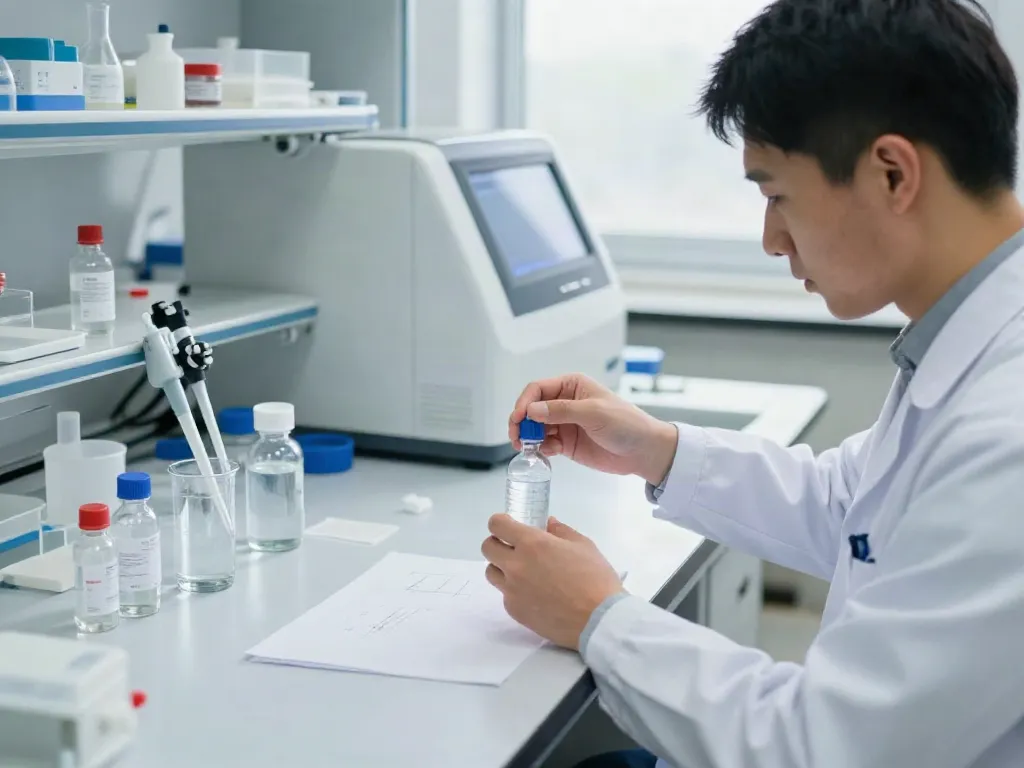
Understanding TESA IPA Blend: Composition and Benefits
The TESA IPA blend is gaining recognition among researchers for its unique composition and potential applications. By combining two potent components—Tesamorelin and Ipamorelin—this blend supports various research paths while ensuring quality through rigorous testing. If you’re looking to enhance your research with confidence, exploring the tesa ipa blend could provide significant insights.
What is TESA IPA Blend?
TESA IPA blend is a research peptide that merges two synergistic compounds: Tesamorelin, a growth hormone-releasing hormone (GHRH) analog, and Ipamorelin, a selective ghrelin receptor agonist. This combination operates on different mechanisms to promote the secretion of growth hormone (GH), making it a valuable tool for studies related to muscle growth, fat loss, and overall metabolic health. Researchers are increasingly turning to this blend for its potential to enhance endocrine functions in laboratory settings.
Key Components of TESA IPA Blend
The TESA IPA blend contains:
- Tesamorelin: This compound mimics natural GHRH, stimulating the pituitary gland to release more growth hormone. Its efficacy in promoting fat loss and muscle preservation has been highlighted in various studies.
- Ipamorelin: A pentapeptide that promotes GH release through its action on the ghrelin receptor. It is known for its mild effects, making it a preferred choice for research protocols requiring precise dosing.
These components work synergistically to create a powerful research tool that supports various physiological studies, particularly concerning growth hormone pathways.
Research Applications of TESA IPA Blend
Researchers utilize the TESA IPA blend for a variety of applications, including:
- Metabolic Studies: Investigating the effects of GH on fat metabolism and insulin sensitivity.
- Muscle Growth Research: Analyzing how increased GH levels can facilitate muscle hypertrophy in test subjects.
- Weight Loss Protocols: Evaluating the impact of GH on body composition and weight loss outcomes.
The versatility of the TESA IPA blend makes it an invaluable asset in the field of endocrinology and metabolic health research.
Testing and Verification for Quality Assurance
Importance of Third-Party Testing
Ensuring the purity and efficacy of research compounds is crucial. The TESA IPA blend undergoes rigorous third-party testing, which guarantees the product meets high standards. Each batch is tested for its potency, purity, and the absence of contaminants, which builds trust among researchers utilizing these compounds.
Understanding COA Reports
Certificate of Analysis (COA) reports provide detailed information about the compositional analysis of each batch of the TESA IPA blend. These reports verify that the blend is free from heavy metals, endotoxins, and other impurities, ensuring safety and reliability in research. Every lot is independently tested at ISO/IEC 17025 accredited laboratories, allowing researchers to have confidence in their materials.
How to Interpret Test Results
Understanding COA results can enhance your confidence in the products you purchase. Key elements to look for include:
- Potency Levels: The COA should specify the concentration of both Tesamorelin and Ipamorelin to confirm that the product matches its claimed formulation.
- Impurity Testing: Look for results that confirm the absence of harmful contaminants. This ensures the blend is safe for research purposes.
- Batch Consistency: Check if multiple vials from the same batch have been tested to ensure uniformity in results.
Comparing TESA IPA Blend with Other Peptide Blends
Differences Between TESA IPA Blend and CJC-1295
While both TESA IPA blend and CJC-1295 are used to stimulate growth hormone release, they differ significantly in their mechanisms. CJC-1295 is a longer-acting GHRH analog, whereas TESA IPA blend combines two different paths (GHRH and ghrelin) for GH stimulation. This unique composition may yield varied results, making TESA IPA blend more suitable for specific research objectives.
Benefits of Stacking TESA IPA with Other Compounds
Combining the TESA IPA blend with other peptides, such as CJC-1295 or even variants like MOD GRF, could enhance effectiveness in certain study protocols. This stacking approach allows researchers to maximize the benefits of growth hormone stimulation while minimizing side effects, leading to more comprehensive research findings.
Potential Research Protocols Using TESA IPA Blend
Researchers have developed various protocols leveraging the TESA IPA blend. Common methodologies include:
- Cycle Duration: Many protocols suggest cycling the blend with periods of dosing followed by breaks to assess effectiveness and minimize desensitization.
- Time of Administration: Administration around the time of intense physical activity may yield better synergistic effects on performance metrics.
This adaptability makes TESA IPA blend a versatile option for researchers aiming to explore the boundaries of growth hormone studies.
Practical Guidelines for Using TESA IPA Blend
How to Properly Store TESA IPA Blend
Proper storage is critical to maintaining the integrity of the TESA IPA blend. It should be stored in a cool, dry place, away from direct sunlight, and at recommended temperatures. Many researchers opt to refrigerate the blend, especially after reconstitution, to ensure stability and efficacy.
Recommended Dosages for Optimal Results
The optimal dosage of TESA IPA blend can vary based on the specific research goals. Typical doses range from 200 mcg to 500 mcg per day, depending on the study design. It’s essential to tailor dosages based on empirical results and ongoing observations during research trials.
Common Mistakes to Avoid When Researching
When conducting research with TESA IPA blend, researchers should be mindful of the following pitfalls:
- Inconsistent Dosing: Variable dosing can lead to unreliable results and complicate data analysis.
- Ignoring COA Reports: Failing to check COA reports may expose researchers to contaminated or ineffective products.
- Lack of Documentation: Not documenting dosage, timing, and outcomes can make it difficult to replicate research or analyze data effectively.
Future Trends in Peptide Research
Emerging Research Surrounding TESA IPA Blend
The future of peptide research, particularly surrounding TESA IPA blend, is promising. As more studies investigate the physiological impact of growth hormone and its analogs, new applications in metabolic health, aging, and muscle retention are emerging. This trend signifies an expanding interest in the therapeutic potential of carefully engineered peptides.
Predictions for Peptide Usage in 2026
As we approach 2026, the research landscape is expected to evolve significantly. The integration of advanced technologies, such as AI and machine learning, may lead to more personalized peptide therapies based on specific genetic markers. Moreover, the regulatory framework surrounding peptides is likely to tighten, fostering more rigorous testing and higher transparency in product offerings.
Innovative Applications for TESA IPA Blend in Research
Future applications of the TESA IPA blend could potentially extend into:
- Anti-Aging Research: Exploring how GH stimulation can impact cellular aging and longevity.
- Performance Enhancement: Utilizing the blend to enhance athletic performance through optimized recovery and muscle growth.
- Therapeutic Uses: Investigating the blend’s potential in treating metabolic disorders, obesity, and muscle-wasting diseases.
As research continues to unfold, TESA IPA blend remains at the forefront of peptide innovation, enabling scientists to explore new territories in hormonal regulation and metabolic health.