Understanding Bacteriostatic Water
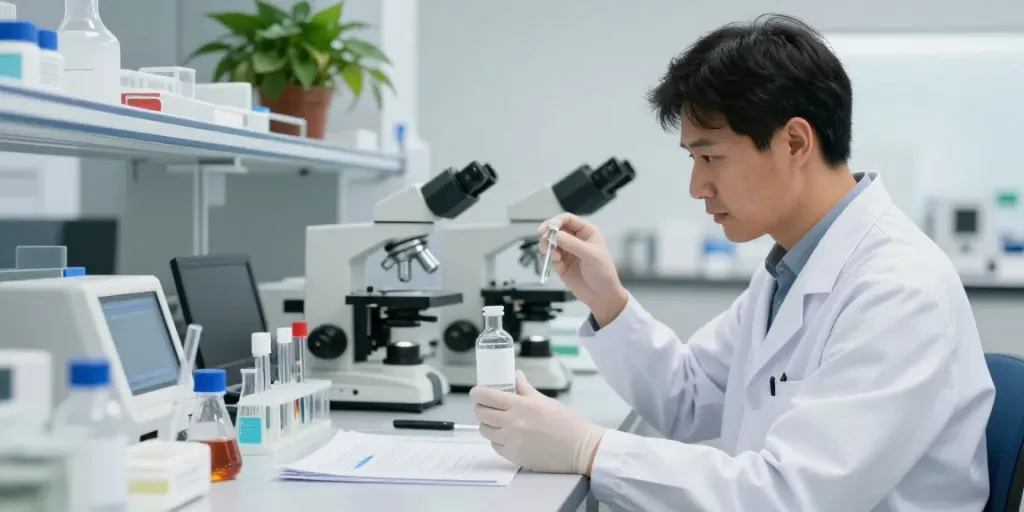
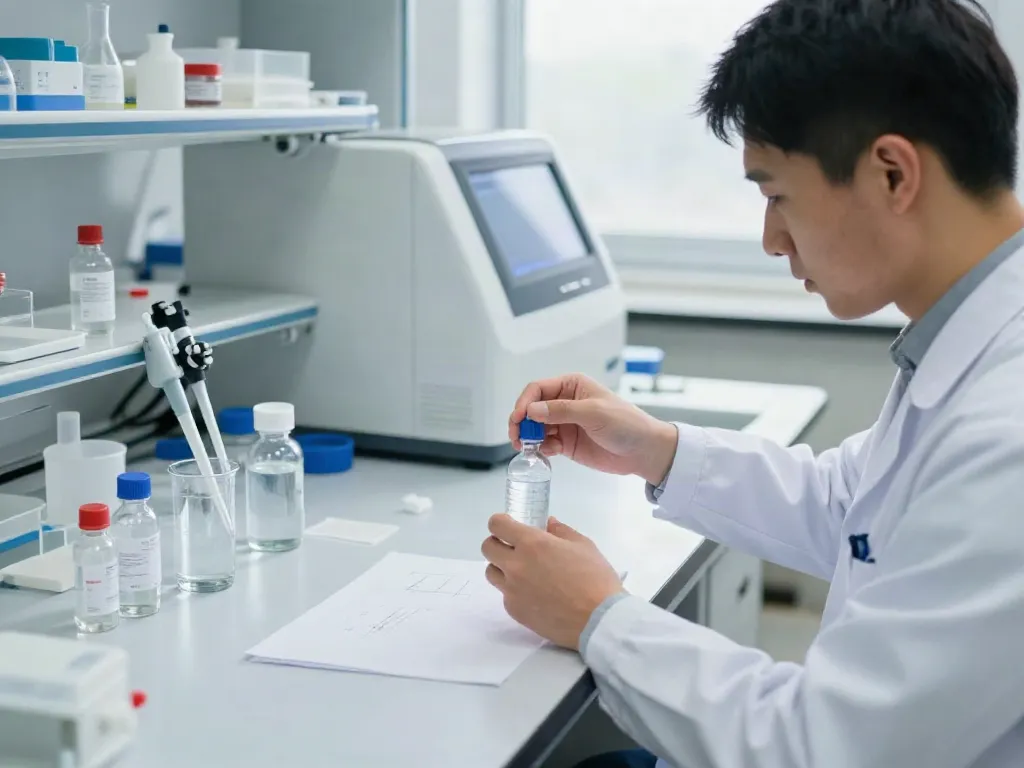
Bacteriostatic water is a specialized sterile solution widely used in laboratory environments, primarily within advanced research and analysis protocols. Its unique formulation includes bacteriostatic properties that prevent bacterial growth, making it an essential component in various scientific applications, especially in peptide reconstitution and biochemical research settings. Understanding its properties, applications, and best practices is crucial for researchers looking to enhance their laboratory outcomes. For those interested in obtaining high-quality bacteriostatic water, BioApexExpress provides rigorously tested solutions specifically designed for in-vitro applications.
What is Bacteriostatic Water?
Bacteriostatic water is essentially sterile water that contains a small percentage of benzyl alcohol, which serves as a preservative. This unique composition allows it to inhibit the growth of bacteria without killing existing microorganisms, making it an ideal solution for multiple-dose applications in laboratory settings. It is predominantly used to dilute or dissolve medications and is particularly popular in peptide and biochemical research.
Key Properties and Composition
The primary characteristic of bacteriostatic water is its ability to maintain sterility while allowing for the safe storage of substances that are sensitive to contamination. Typically, it contains:
- Sterile Water: The base of the solution is purified and sterilized water.
- Benzyl Alcohol: Present at a concentration of 0.9% (9 mg/mL), serving as a bacteriostatic agent.
- pH Balancing Agents: These maintain the solution’s pH within suitable limits for various substances.
Regulatory Standards and Compliance
Products like bacteriostatic water must comply with stringent regulatory standards to ensure purity and efficacy. The FDA classifies it under specifications for medical supplies and laboratory use. This compliance ensures laboratory professionals can depend upon bacteriostatic water as a safe and effective solution in their research.
Applications in Laboratory Research
Bacteriostatic water has several critical applications in laboratory research, allowing scientists to perform complex analyses and experiments with confidence. Below are some common applications that highlight its importance:
Common Uses in Peptide Reconstitution
One of the primary uses of bacteriostatic water is in the reconstitution of peptides. Researchers often require specific dosages of peptide compounds, which must be accurately dissolved for optimal effectiveness. Using bacteriostatic water, scientists can achieve precise dilution while preventing microbial contamination. This is particularly crucial in experiments where purity directly impacts the validity of results.
Importance in Tissue Analysis Protocols
In tissue analysis, maintaining the integrity of solutions is vital. Bacteriostatic water ensures that any biological samples remain stable and uncontaminated throughout the process. Its use in maintaining solution integrity during analysis protocols is essential for obtaining reliable and reproducible results.
Supporting Biochemical Research
Biochemical studies often involve complex solutions where contamination can lead to erroneous data. Bacteriostatic water provides a safe medium for the preparation of such solutions, supporting researchers in their quest for groundbreaking discoveries. Its role in preparing buffers and diluents underscores its importance in the biochemical landscape.
Storage and Handling Best Practices
Proper storage and handling of bacteriostatic water are essential to maintain its integrity and effectiveness. Scientists must adhere to specific guidelines to ensure the solution remains viable for use.
Optimal Storage Conditions
Bacteriostatic water should be stored in a cool, dry place away from direct sunlight. The recommended storage temperature typically ranges between 2°C to 30°C. If kept within these conditions, the solution can retain its stability for an extended period.
Safe Handling Procedures
When handling bacteriostatic water, researchers should always wear appropriate personal protective equipment (PPE) to prevent contamination. This includes gloves, goggles, and lab coats. Additionally, it’s essential to sterilize work surfaces before use to minimize the risk of introducing contaminants.
Expiration and Quality Control
Like many laboratory reagents, bacteriostatic water comes with an expiration date. Regular quality control checks should be conducted to ensure that the solution meets the required standards of purity and concentration before use, safeguarding laboratory results.
Testing and Verification Methods
Ensuring the purity and effectiveness of bacteriostatic water is crucial. Several rigorous testing methods are employed to verify its quality and ensure it meets the industry standards.
Importance of Certificate of Analysis
A Certificate of Analysis (CoA) provides detailed information regarding the composition and purity of bacteriostatic water. It is a critical document that assures researchers that the product meets all required standards. Buyers should always seek products accompanied by a CoA to ensure they are receiving a quality solution.
High-Performance Liquid Chromatography (HPLC) Overview
High-Performance Liquid Chromatography (HPLC) is a technique used to separate, identify, and quantify components in a mixture. For bacteriostatic water, HPLC is essential for confirming the concentration of key ingredients, such as benzyl alcohol, ensuring they are within acceptable limits for laboratory use.
Mass Spectrometry in Purity Verification
Mass spectrometry complements HPLC by providing detailed molecular information about the components in bacteriostatic water. This technique helps verify the absence of contaminants and ensures that the solution is pure, which is essential for scientific integrity in laboratory experiments.
Future Trends in Bacteriostatic Water Use
As scientific research continues to evolve, the applications and regulations surrounding bacteriostatic water are expected to advance significantly. Here are some anticipated trends for the future:
Innovations in Research Applications
Emerging research areas, such as personalized medicine and gene therapy, will require highly purified substances. Advances in purification techniques may lead to the development of even more effective bacteriostatic waters tailored for specific applications, enhancing the quality of research outcomes.
Emerging Regulations and Standards for 2026
As the need for stringent safety and quality standards increases, regulatory bodies are likely to introduce new guidelines governing the use of bacteriostatic water. Researchers should stay informed about these changes to ensure compliance and maintain the integrity of their research.
Expert Insights on Research Advancements
As experts continue to explore the capabilities of bacteriostatic water in various scientific fields, insights into best practices will evolve. Collaborations between regulatory agencies and researchers will foster a better understanding of the most effective ways to use bacteriostatic water in future applications.
What is Bacteriostatic Water used for?
Bacteriostatic water is primarily used as a diluent in laboratory settings for various applications, including reconstitution of peptides, preparation of buffers, and maintaining sterile conditions for biochemical research. Its role is critical in ensuring that experiments are conducted without the risk of contamination.
Can I buy bacteriostatic water at CVS?
While bacteriostatic water can be found at various retailers, including pharmacies like CVS, it's crucial to ensure that the product meets laboratory standards and is intended for research use only. Always check with suppliers to confirm the validity and intended use of the product.
Can I buy bacteriostatic water over the counter?
Yes, bacteriostatic water can often be purchased over the counter at pharmacies, but it is essential to verify that it is suitable for laboratory research purposes and not intended for medical use.
Can I buy bacteriostatic water at Walgreens?
Similar to CVS, Walgreens may offer bacteriostatic water for purchase. However, as with any other vendor, ensure that the product aligns with your specific research needs and complies with regulatory standards.