Understanding the Power Cord Manufacturing Process
Power cords are vital components in the modern world, connecting appliances to power sources while ensuring safety and efficiency. As a professional in the industry, understanding the intricacies of power cord manufacturing can provide significant advantages in selecting the right supplier. A reliable Power cord manufacturer not only guarantees compliance with essential standards but also the durability and functionality of their products.
What is a Power Cord Manufacturer?
A power cord manufacturer specializes in the production of various types of power cords that cater to both commercial and consumer needs. These manufacturers design, engineer, and fabricate cords that meet specific electrical and safety standards, ensuring that they can handle the required voltage and current safely. This encompasses a range of products, from standard cords to custom solutions tailored for specific applications.
Key Components of Power Cord Manufacturing
The manufacturing process includes several key components:
- Material Selection: Manufacturers typically use materials such as PVC, rubber, or TPE for insulation and casing, ensuring both flexibility and durability.
- Conductors: Copper or aluminum conductors are chosen based on conductivity needs, with considerations for wire gauge affecting current capacity.
- Connector Types: Power cords can have various connector types, such as IEC, NEMA, or CEE, depending on regional standards and applications.
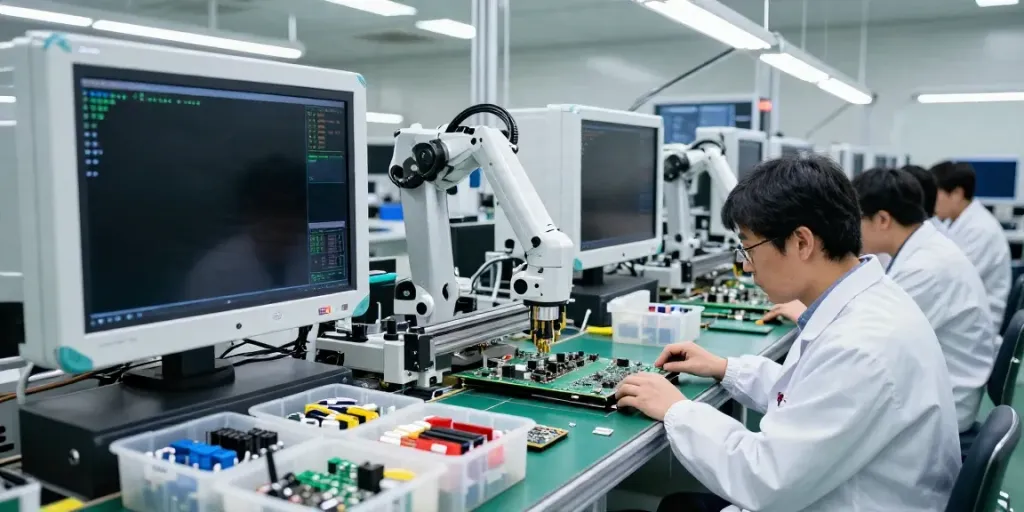
- Manufacturing Techniques: Techniques such as extrusion, molding, and assembly are utilized to create the final product, ensuring consistency and quality.
Importance of Compliance Standards in Manufacturing
Compliance with international standards is critical for power cord manufacturers. Certifications such as UL, CE, and RoHS ensure that products meet safety and environmental guidelines. These certifications not only enhance the manufacturer's credibility but also instill confidence in consumers regarding the reliability of the products. Moreover, strict adherence to these standards helps prevent electrical hazards, protecting both users and manufacturers from potential liabilities.
Choosing the Right Power Cord Manufacturer
When selecting a power cord manufacturer, several factors must be considered to ensure the best fit for your needs.
Factors to Consider When Selecting a Manufacturer
Some critical factors include:
- Experience and Reputation: Look for manufacturers with a proven track record and positive testimonials in the industry.
- Quality Assurance: Investigate their quality control processes to ensure they adhere to production standards and regulations.
- Customization Capabilities: If you need specialized power cords, confirm the manufacturer can tailor solutions that meet your specifications.
- Supply Chain Reliability: A dependable supply chain ensures timely delivery and consistent product availability.
Understanding Industry Certifications and Standards
It is essential to familiarize yourself with various industry certifications, such as:
- UL (Underwriters Laboratories)
- CE (Conformité Européenne)
- RoHS (Restriction of Hazardous Substances)
- REACH (Registration, Evaluation, Authorisation and Restriction of Chemicals)
Understanding these certifications can help you identify reputable manufacturers and avoid potential pitfalls in sourcing power cords.
Common Mistakes to Avoid in Selection
Avoiding common mistakes can save time and resources:
- Neglecting to verify certifications can lead to poor quality products.
- Overlooking customization options may result in unsuitable products for specific applications.
- Choosing solely based on price can compromise quality and reliability.
Custom Solutions from Power Cord Manufacturers
Custom power cord solutions offer numerous advantages when standard options don't meet specific needs.
Benefits of Custom Power Cord Solutions
Among the benefits are:
- Exact Fit: Custom cords are designed to meet precise specifications, ensuring compatibility with unique applications.
- Enhanced Functionality: Tailored solutions can include features such as additional shielding or specific connector types that enhance performance.
- Branding Opportunities: Custom designs allow for branding on products, creating recognition in the marketplace.
How to Communicate Your Needs Effectively
When working with a manufacturer, clear communication is vital. Here are tips to effectively convey your requirements:
- Be specific about technical specifications, including gauge, length, and connector types.
- Provide samples if possible to illustrate the design and functionality you require.
- Discuss deadlines and delivery expectations upfront to ensure alignment.
Examples of Successful Custom Projects
Successful projects often showcase the capabilities of a manufacturer. For instance, a manufacturer might create a unique power cord for a medical device that requires strict compliance with safety standards while also ensuring flexibility and ease of handling for healthcare professionals.
Future Trends in Power Cord Manufacturing
The landscape of power cord manufacturing is evolving rapidly, influenced by technological advancements and changing market needs.
Emerging Technologies Impacting Manufacturing
Technologies such as 3D printing and automation are shaping production methods, resulting in faster manufacturing processes and lower costs. Additionally, advancements in material science are leading to the development of more durable and environmentally friendly materials.
Shifts in Customer Demands and Preferences
As consumers become more environmentally conscious, there is a growing demand for sustainable products. Manufacturers need to adapt their offerings to include eco-friendly materials and processes that align with these preferences.
Predictions for 2026 and Beyond
By 2026, we can expect to see a significant shift towards smart power solutions, integrating IoT technology into power cords for enhanced connectivity and functionality. The focus will likely be on creating versatile products that can be used across a variety of applications while adhering to rigorous safety standards.
Measuring Success as a Power Cord Manufacturer
To gauge the effectiveness of a power cord manufacturer, specific performance metrics should be monitored.
Performance Metrics Every Manufacturer Should Track
Key metrics include:
- Quality Control Rates: The percentage of products that pass quality inspections without the need for rework.
- Delivery Timeliness: The ability to meet shipping deadlines consistently.
- Customer Satisfaction Ratings: Feedback from clients regarding product performance and service experience.
Case Studies of Successful Manufacturers
Case studies highlight strategies employed by leading manufacturers, such as innovative supply chain practices and advanced quality assurance measures, that contribute to their success within the industry.
Best Practices for Continuous Improvement
Continuous improvement can be achieved through methods such as:
- Regularly reviewing processes and seeking employee feedback.
- Investing in employee training to enhance skills and efficiency.
- Conducting market research to stay informed on industry trends and customer expectations.
What are the top power cord manufacturers?
The leading power cord manufacturers vary by region and specialization, but companies known for their quality and innovation include Volex Group, BizLink, and LANZ Electronics, each of which offers diverse products that cater to a wide range of applications.
How are power cords tested for safety?
Safety testing for power cords involves rigorous evaluations, including electrical safety tests (such as dielectric strength), mechanical strength assessments, and compliance with regulatory standards to ensure that they can withstand various operational conditions without failure.
What types of power cords are available?
Power cords come in various types, including standard AC power cords, DC power cables, extension cords, and specialized cords designed for specific industrial applications. Each type is engineered to meet distinct operational requirements and safety standards.
How can I find a local power cord manufacturer?
Finding a local power cord manufacturer can be accomplished through online directories, industry trade shows, and networking within local business communities. Ensure to verify their credentials and product offerings to find a suitable partner.
What certifications should I look for in a power cord?
Essential certifications include UL, CE, RoHS, and REACH. These verify that the power cords adhere to safety and environmental standards, ensuring reliability and minimizing risks associated with electrical hazards.