Understanding PCB Assembly and Component Sourcing
In the fast-paced world of electronics, the significance of PCB assembly and component sourcing cannot be overstated. Printed circuit boards (PCBs) play an essential role in virtually all electronic devices, serving as the backbone for the electrical connections of a wide array of components. As technology evolves, so does the complexity of PCB designs and the components that go into them. This article delves into the intricacies of PCB assembly, the importance of effective component sourcing, and how these processes interlink to enhance manufacturing efficiencies and product quality. For manufacturers looking to streamline operations, understanding PCB assembly and component sourcing is critical.
What is PCB Assembly?
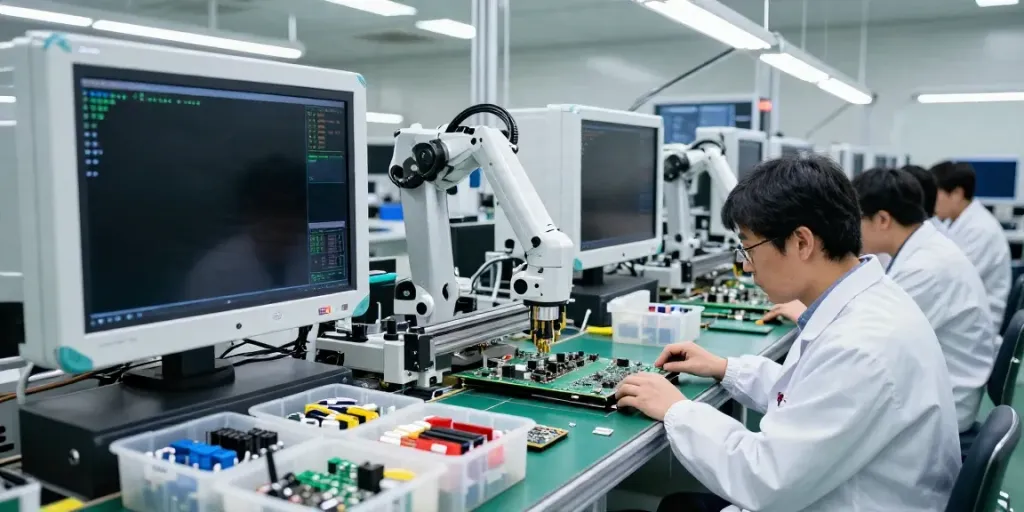
PCB assembly involves several steps required to manufacture assembled circuit boards from bare PCBs. This assembly process typically encompasses:
- Component Placement: Soldering electronic components onto PCBs.
- Soldering Techniques: Utilizing methods like surface-mount technology (SMT) and through-hole technology (THT).
- Inspection and Testing: Ensuring functionality through visual checks and automated testing equipment.
The assembly can be categorized into two main types: manual assembly, where workers position components and solder them by hand, and automated assembly, which uses machines to handle components. The choice of assembly type typically depends on product complexity, expected production volume, and cost considerations.
Importance of Component Sourcing in PCB Production
Component sourcing is the process of procuring electronic parts necessary for the assembly of PCBs. Effective sourcing strategies are vital to ensure timely production and minimize costs. Key factors enhancing the importance of component sourcing include:
- Availability: Ensuring that required components are readily available to prevent bottlenecks in production.
- Cost Management: Finding competitive pricing helps manufacturers manage budgets effectively.
- Quality Assurance: Sourcing components from reputable suppliers guarantees a high quality of materials, reducing the likelihood of failure in circuit boards.
By integrating strong sourcing practices, manufacturers can better respond to fluctuating market demands and component shortages, which have become increasingly common in today's global supply chains.
Key Terminology and Processes in PCB Manufacturing
Understanding key terminology is crucial for anyone involved in PCB assembly and component sourcing. Some essential terms include:
- Bill of Materials (BOM): A comprehensive list detailing all components and materials required for PCB assembly.
- Surface Mount Device (SMD): A component designed to be mounted directly onto the surface of a PCB.
- Pick and Place: An automated system that places components onto PCBs at high speed.
These terms reflect the evolving complexity of PCB manufacturing processes, which require a firm grasp of both technology and supply chain logistics.
Challenges in PCB Assembly and Component Sourcing
Despite advancements in technology, PCB assembly and component sourcing face several challenges that can impact production efficiency and final product quality. These challenges are multifaceted, ranging from supply chain disruptions to technical issues in assembly processes.
Common Misconceptions in Component Sourcing
One common misconception is that cheaper components always lead to lower production costs. While reducing component costs might lower initial expenses, it may also result in increased failure rates and warranty claims, ultimately raising overall costs. Another misconception is the belief that sourcing from multiple suppliers will always yield better prices. In reality, managing relationships with numerous suppliers can complicate logistics and lead to inconsistencies in quality and supply reliability.
Supply Chain Disruptions: Addressing the Issues
Recent global events have highlighted vulnerabilities in supply chains, especially for electronic components. Disruptions can arise from geopolitical tensions, natural disasters, or sudden spikes in demand. To mitigate these issues, manufacturers should consider:
- Diversifying Suppliers: Reducing dependency on single suppliers can buffer against supply chain risks.
- Maintaining Buffer Stock: Holding safety stock of critical components can safeguard against sudden shortages.
- Building Strong Relationships: Developing strategic partnerships with reliable suppliers ensures prioritization during times of disruption.
Technical Challenges in PCB Assembly Processes
Technical challenges also pose barriers to effective PCB assembly. These may include:
- Complex Designs: As devices become more intricate, assembly processes must adapt to support advanced layouts.
- Quality Control Issues: Maintaining strict quality control measures throughout the assembly process is essential to avoid faulty products.
- Technological Integration: Adopting new technologies can be resource-intensive and necessitate significant workforce training.
By addressing these challenges proactively, companies can enhance their PCB assembly process and component sourcing strategy to create higher quality products more efficiently.
Best Practices for PCB Assembly and Component Sourcing
Implementing best practices in both PCB assembly and component sourcing can significantly improve production outcomes. Here are some essential strategies:
Evaluating and Selecting Quality Components
When sourcing components, thorough vetting is critical. Consider the following:
- Supplier Reputation: Research supplier backgrounds to ensure reliability.
- Component Specifications: Review the specifications carefully to confirm they meet project requirements.
- Testing Data: Request testing data and certifications to verify component quality.
By focusing on quality at this stage, manufacturers can significantly minimize risks associated with subpar components during assembly.
Streamlining the Assembly Process for Efficiency
Efficiency in the assembly process can be enhanced by adopting lean manufacturing principles. Strategies include:
- Process Mapping: Identify inefficiencies and redundancies in the assembly line.
- Automation: Invest in automation technologies for repetitive tasks to speed up production.
- Continuous Training: Ensure operators are well-trained to reduce mistakes and improve production flow.
Emphasizing efficiency leads to reduced cycle times and increased throughput, crucial for meeting demand in a competitive market.
Implementing Quality Control Measures
Robust quality control measures are vital in ensuring that all assembled PCBs meet the desired standards. Practices include:
- Regular Inspections: Conduct inspections at various stages of the assembly process.
- Automated Testing: Utilize automated testing at the end of the assembly line to catch defects early.
- Feedback Loops: Establish a feedback system for continuous improvement based on inspection results.
With these quality control measures in place, manufacturers can better ensure product reliability and customer satisfaction.
Case Studies: Successful PCB Assembly Projects
Examining real-world applications of PCB assembly and effective component sourcing can provide valuable insights into best practices and strategies. The following case studies highlight innovative solutions and lessons learned in the industry.
Innovative Solutions in PCB Sourcing
A leading electronics manufacturer faced significant delays in component sourcing due to high demand for its products. By implementing a dual-sourcing strategy and expanding their supplier network, they managed to reduce lead times significantly. This adaptability not only met customer demands but also positioned the manufacturer as more resilient against future market fluctuations.
Lessons Learned from Industry Leaders
A case study of an automotive electronics provider showcased the importance of quality in component sourcing. After a series of recalls due to faulty components, the company shifted its focus to building long-term relationships with reputable suppliers, resulting in improved product quality and reduced warranty claims.
Real-World Examples of Efficiency Gains
Another example comes from a consumer electronics company that reduced its assembly time by 30% after implementing a more automated manufacturing process. By adopting state-of-the-art pick-and-place machinery and optimizing the assembly line layout, they were able to streamline production and respond more flexibly to market demands.
Future Trends in PCB Assembly and Component Sourcing
As the electronics industry advances, various trends are likely to shape the future of PCB assembly and component sourcing. Manufacturers must stay informed to adapt effectively.
Emerging Technologies Impacting PCB Manufacturing
Technological advancements such as artificial intelligence (AI) and the Internet of Things (IoT) are beginning to play a substantial role in PCB manufacturing. AI can help predict demand patterns for components, enabling better sourcing practices, while IoT devices can facilitate real-time monitoring of assembly lines to optimize operations further.
Predictions for the PCB Industry in 2026
Looking ahead to 2026, it is anticipated that there will be a significant shift toward eco-friendly PCB materials and manufacturing practices. As regulatory pressures increase regarding environmental sustainability, manufacturers who adapt to these changes stand to gain a competitive edge.
How to Adapt to Changing Market Demands
To remain relevant, manufacturers must embrace flexibility in their operations. This includes investing in training for staff on the latest technologies and processes, as well as establishing adaptive supply chains that can pivot quickly in response to market fluctuations.
What is the PCB assembly process?
The PCB assembly process encompasses the preparation of the PCB, component placement, soldering, inspection, and testing, ensuring the board functions as intended.
Can ChatGPT do PCB design?
While ChatGPT can provide insights and information regarding PCB design, the actual design process requires specialized software and detailed technical knowledge that goes beyond basic conversation.
Who is the world's biggest PCB manufacturer?
As of now, companies like Zhen Ding Technology Holding Limited and Unimicron Technology Corporation are recognized as some of the largest PCB manufacturers globally, catering to a vast range of industries.
What are the four main types of PCBs?
The four main types of PCBs include single-sided PCBs, double-sided PCBs, multilayer PCBs, and flexible PCBs, each serving different applications based on complexity and electrical requirements.