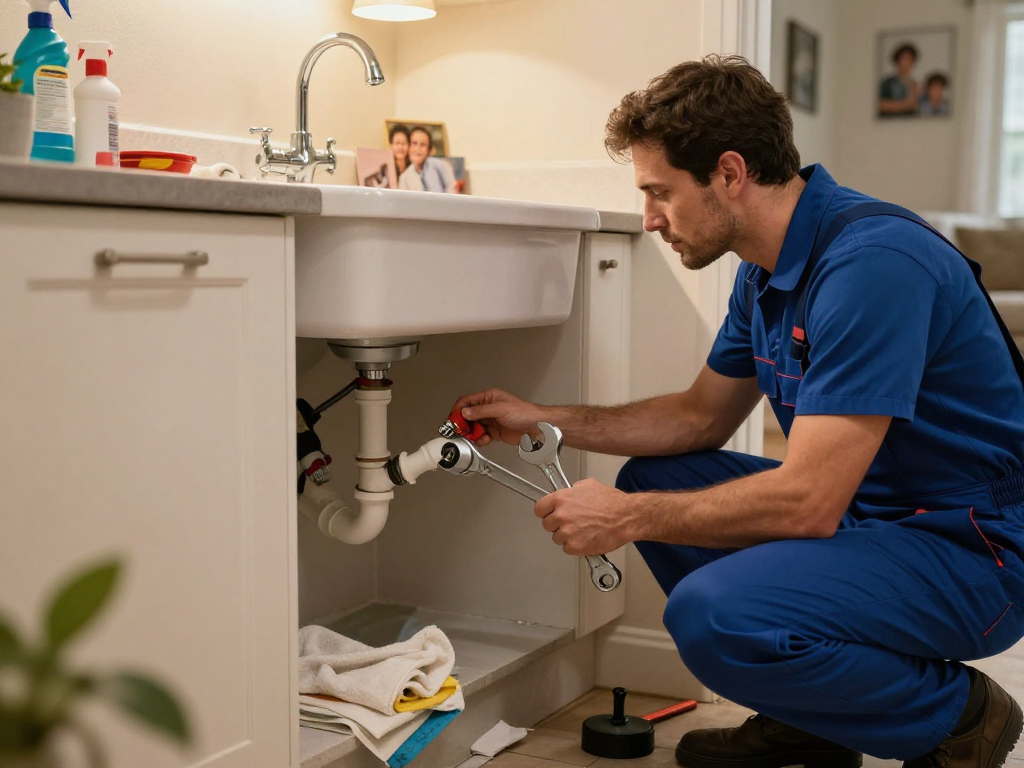
Understanding Plumbing Emergencies
When faced with unexpected plumbing issues, knowing how to react quickly can save homeowners both time and money. Plumbing emergencies can arise at any moment and often require immediate attention to prevent further damage to your home. This article will explore various aspects of plumbing emergencies, providing insights and practical advice for residents in Fort Worth. Whether you're dealing with a burst pipe, a malfunctioning water heater, or a sewage backup, understanding the nature of plumbing emergencies is crucial for effective resolution. For situations that require immediate assistance, consider reaching out to an emergency plumber Fort Worth.
What Constitutes a Plumbing Emergency?
A plumbing emergency is characterized by urgent situations that can lead to significant damage or health hazards if not addressed promptly. Common examples include:
- Severe leaks: Water dripping or gushing from pipes can lead to extensive water damage.
- Clogged drains: Complete blockages that prevent water flow, leading to backups.
- Broken water heaters: Lack of hot water or leaking tanks can disrupt your daily routine.
- Sewage backups: This poses health risks and can render your plumbing system unusable.
Understanding what constitutes an emergency is the first step in mitigating potential damage.
Signs You Need an Emergency Plumber Fort Worth
Recognizing the signs that indicate you need professional help is vital. Look out for these warning signals:
- Unusual noises like gurgling or banging from pipes.
- Water pooling around fixtures or in the yard.
- Strong odors indicating possible sewage issues.
- A drastic increase in your water bill, suggesting hidden leaks.
Being aware of these signs can help you act quickly and contact an emergency plumbing service before the situation escalates.
Common Plumbing Issues Requiring Immediate Attention
Various plumbing issues require urgent intervention. Some of the most common are:
- burst pipes: Often caused by freezing temperatures or wear and tear, these can lead to flooding.
- Blocked toilets: When toilets won’t flush, they pose immediate sanitation issues.
- Malfunctioning sump pumps: These devices are crucial for preventing basement flooding during heavy rains.
- Gas leaks: If you smell gas, evacuate the area and call a professional immediately.
Choosing the Right Emergency Plumbing Service
Finding the right emergency plumbing service can significantly influence the outcome of your plumbing emergency. Consider the following factors when making your choice:
Factors to Consider When Hiring an Emergency Plumber
When selecting an emergency plumber, evaluate these key aspects:
- Availability: Ensure that the plumber is available 24/7 for urgent needs.
- Experience: Look for a company with a solid track record and extensive plumbing knowledge.
- Response time: Choose a service with a reputation for quick response times to minimize damage.
Evaluating Emergency Plumber Credentials and Reputation
Before hiring, verify the plumber's credentials:
- Check for proper licensing and insurance to avoid liability issues.
- Read online reviews and testimonials from previous customers.
- Ask for references to gauge their quality of service.
Cost Considerations for Emergency Plumbing Services
Understanding the cost structure for emergency plumbing is essential to avoid unexpected charges. Most services may charge higher rates during off-hours or weekends. Always request a written estimate before work begins to ensure transparency.
Responding to Plumbing Emergencies
Knowing how to respond to a plumbing emergency can prevent significant damage and create a safer environment. Here are some steps to take:
Steps to Take Before the Plumber Arrives
While awaiting a plumber, you can take several steps to minimize damage:
- Shut off the water supply to the affected area.
- Drain any standing water to alleviate pressure on the pipes.
- Use buckets to catch drips and minimize water damage.
Safety Precautions During a Plumbing Emergency
Safety should always be a priority. Follow these precautions:
- Avoid using electrical appliances near water.
- Wear protective gear, such as gloves and boots, if necessary.
- Ensure proper ventilation if you suspect gas leaks or strong odors.
How to Prevent Further Damage
Taking proactive measures can greatly reduce the risk of further damage:
- Close off valves immediately to stop leaks.
- Remove any furniture or valuable items that may come into contact with water.
- Document the damage for insurance claims purposes.
Post-Emergency Follow-Up
After addressing a plumbing emergency, it’s crucial to assess the situation and prevent future issues. Here’s how to proceed:
Assessing the Quality of Service Received
Review the plumber's work and ensure that all issues have been resolved. Consider whether the plumber addressed your concerns effectively and if the resolution was satisfactory.
Maintaining Your Plumbing System After an Emergency
Routine maintenance is crucial to prevent future emergencies. Schedule regular inspections, and make necessary repairs to keep your plumbing system in optimal condition.
When to Schedule Routine Maintenance After an Emergency
It’s advisable to schedule maintenance within a few weeks after a major plumbing incident to ensure everything is functioning properly and to catch any potential issues before they escalate.
Future Trends in Plumbing Services
As the plumbing industry evolves, several trends are shaping how services are rendered, particularly in emergency situations:
Innovations in Emergency Plumbing Technology
Advancements in technology are streamlining plumbing services, including:
- Smart plumbing devices that alert users to leaks and malfunctions.
- Advanced pipe inspection tools that reduce invasive procedures.
- Remote diagnostic services that expedite response times.
Eco-Friendly Practices in Plumbing Emergencies
With sustainability becoming increasingly important, many plumbing services are adopting eco-friendly practices, such as:
- Using biodegradable products for drain cleaning.
- Implementing water-saving fixtures and devices.
- Recycling old fixtures and materials during renovations.
The Future of Emergency Plumbing in Fort Worth: What to Expect in 2026
As the city grows, the demand for high-quality plumbing services will increase. Expect to see:
- Greater emphasis on sustainable practices and eco-friendly solutions.
- More robust training programs for plumbers to handle complex issues efficiently.
- Enhanced customer service protocols to improve client satisfaction.
What to Do if Your Plumbing Emergency Occurs?
In the event of a plumbing emergency:
- Stay calm and assess the situation.
- Follow the steps outlined above to minimize damage.
- Immediately contact a qualified emergency plumber for assistance.
How Can You Reduce the Risk of Plumbing Emergencies?
Proactive measures can help limit the occurrence of plumbing emergencies:
- Perform regular maintenance checks on your plumbing system.
- Know the location and operation of your main water shut-off valve.
- Avoid flushing inappropriate items down toilets.
What Is the Average Response Time for an Emergency Plumber?
Most emergency plumbing services strive to respond within a few hours; however, response times can vary based on location and service availability.
How Do You Verify the Qualifications of an Emergency Plumber?
To ensure you hire a qualified plumber:
- Request copies of their licenses and insurance.
- Check online reviews and ratings from previous customers.
- Look for affiliations with professional plumbing organizations.
What Steps Can Homeowners Take to Prevent Plumbing Emergencies?
Homeowners can take various proactive measures to minimize the chances of experiencing plumbing emergencies:
- Inspect pipes and fixtures regularly for signs of wear.
- Address minor leaks before they escalate into major issues.
- Educate family members on proper plumbing practices.